
Residential Programmers
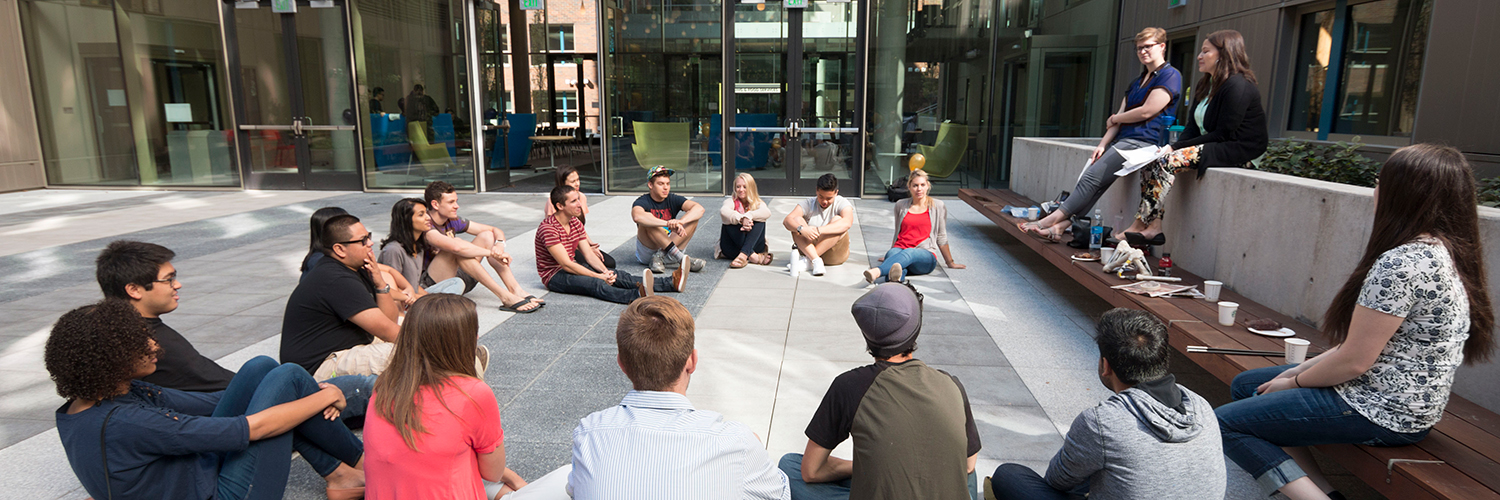
Join the Res Life staff as a Residential Programmer!
Join the Res Life staff as a Residential Programmer!
What Do the Residential Programmers Do?
We are excited that you are interested in a Residential Programming Board position! Residential Programmers engage residents in an inclusive community through large-scale, diverse, social and educational programming. These programs are unique and financially accessible opportunities often through collaboration with organizations both on and off campus.
To see examples of the types of programming we put on, check out our Instagram.
Responsibilities
Community Development & Programming
Residential Programmers will collaboratively plan numerous programs each quarter, including both active programs and passive programs. Passive programs include initiatives such as social media campaigns, bulletin boards, handouts, informative flyers, and many other means to passively engage the residential community. Programs can fall into various categories as outlined below though they are often a mix of categories.
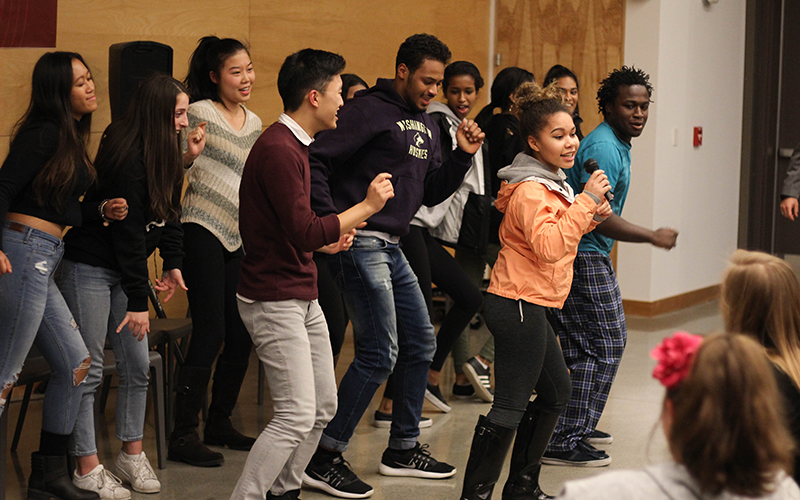
Social
Each quarter, we host 26 free or low-cost events, including cooking workshops, and movie screenings nearly every weekend. The other events are our “Passion Projects” — planned and led by programmers for residents.

Academic Success
Academic Success encompasses a holistic definition of “academic”; it pertains not only to the success of students in their classes and GPAs but also in their study habits, academic resources, career planning, etc.

Social Justice & Diversity
We discuss the different identities and backgrounds of our residents in order to foster inclusive residential communities. We create programs that promote awareness and understanding of ongoing social justice issues.
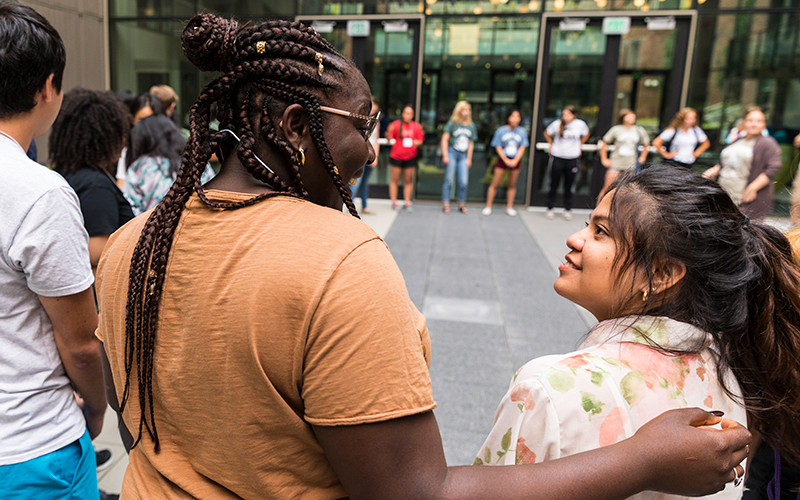
Wellness
We take a holistic approach to defining wellness to promote personal well-being across a variety of areas which include emotional/mental, physical, environmental, financial, and spiritual wellness.
Administrative Responsibilities
Residential Programmers are responsible for many important administrative tasks that will help them be successful, such as time management, organization, and proactive communication. Some additional administrative tasks they will do on a daily basis include completing and submitting event plans; deliver marking to the appropriate campus locations; organize programming materials; making fiscally responsible program supply lists; responding to emails in a timely manner, and others.

Office Hours
Each week, on average, Residential Programmers members will work no more than 19.5 hours. These hours are devoted to work on upcoming projects, any programming needs, and other programming obligations. 10 of these hours each week are spent during pre-scheduled office hours to work on tasks.

Collateral Assignments
There are opportunities for Residential Programmers to participate in elective areas to gain more skills and insights, such as: social media management, staff team development activities, and more!

Collaboration and Teamwork
Residential Programmers are responsible for many different tasks that require working with a variety of campus and community partners. They routinely work with one another to achieve programming goals and to adequately support residential students. Additionally, they will support efforts as needed for the other Student Leaders including Resident Advisers, RCSA and Hall Councils.
Key Skills
Some skills of successful Residential Programmers include, but are not limited to:
Time management
Compassion & empathy
Organization
Taking initiative
A desire to learn
Reflection
Resourcefulness
Proactive communication for any support needed
Compensation
Student Leaders are given in-kind compensation in the form of room, laundry, and a dining plan in exchange for completing the roles and responsibilities stated in the agreement. This role is not considered an employed position by the University.
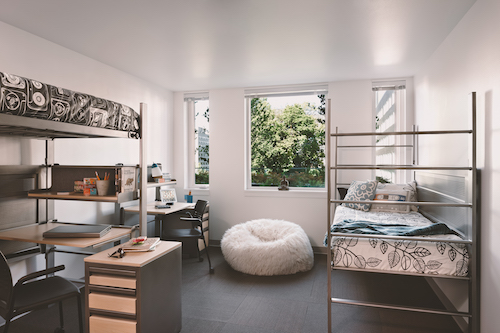
Room
Residential Programmers are provided a stipend equal to the value of the cost of a double room with a private bath intended to cover/contribute to the cost of housing.

Dining
Residential Programmers receive a stipend equivalent to a level 1 dining plan. Residential Programmers are also compensated with dining funds during Autumn Training.
Interested in Applying to be a Residential Programmer?
The application for the 2026-2027 academic year will be open from November 17, 2025, to Wednesday, January 14, 2026.